Primal Cycles: The Seasonal Eating Framework
Contents:
Introduction
Winter: The Carnivore Phase
Spring: The Pescatarian Phase
Summer: The High Carb Phase
Fall: The Harvest Phase
The Pattern is Clear
INTRODUCTION: FROM THEORY TO PRACTICE
In Article 1, you learned why seasonal eating solves the diet wars—every diet works, then fails, because your body isn't designed to eat the same way year-round.
In Article 2, you learned the science—the Randall Cycle (why processed foods wreck your metabolism), glycation (why chronic sugar ages you), why sugar isn't the villain (context matters), and why plants aren't evil (but they're complicated).
Now it's time for the HOW.
What do you actually EAT in each season? What does a winter carnivore phase look like in practice? How do you transition to spring? What do you eat in summer when fruit is abundant? How do you prepare for winter in the fall?
This is the framework I've tested over 12+ years of experimentation:
Winter = carnivore-dominant (deep healing, gut reset, fat-burning mastery)
Spring = pescatarian/transition(cleansing, renewal, metabolic flexibility)
Summer = high-carb (fruit, honey, peak performance, maximum vitality)
Fall = balanced (preparation, nutrient storage, smooth transition back to winter)
You'll learn:
What to eat (real-world examples from my own experiments)
Why it works (the science + tribal examples)
What to expect (energy, digestion, training, mood)
When to transition (signs your body is ready for the next phase)
Pitfalls of staying in one phase too long (why chronic anything = problems)
This isn't dogma. It's a framework. Some people need longer phases. Some people thrive on meat & fruit year-round. The key is variation and self-awareness.
Let's go.
WINTER: THE CARNIVORE PHASE (DEC-FEB)
Winter is when your ancestors would have relied almost exclusively on animal foods. Plants are dormant. Hunting and fishing become primary. Fat becomes your main fuel source.
Here's what I actually ate during my winter carnivore phases:
Ribeye steaks, cooked medium-rare with salt
Ground beef (80/20) formed into patties or raw mixed with egg yolks
Beef liver once a week on average—raw till satiation, then feed the rest to the dogs
Bone broth in the evenings or raw marrow
Occasionally salmon or sardines for variety, plus some salmon roe
Fermented vegetables (if not doing strict elimination—sauerkraut, kimchi)
No fancy recipes. Just meat, salt, water.
What to Expect
For me, the first week was rough—headaches, low energy, irritability. I remember, on day four or five, just staring into the fridge looking at an apple like a siren beckoning me. That damn apple almost made me cave, but I stayed strong.
By week four, something shifted. My gut inflammation had disappeared. Joint pain in my knees and lower back weren't even noticeable most days. Mental clarity was insane—like a fog lifted. My mood was like I was a child again. Almost no irritability, and my mental/anger issues began to subside.
Common digestive issues (and fixes):
Constipated? You might be, or you might not be. Meat absorbs 90%+ into your body, so there's far less waste—don't worry if you're not pooping every day. If you ARE actually constipated, it's usually not enough fat (sometimes not enough water). Simply increase your fat consumption until you're happy with your no. twos.
Diarrhea? This is usually due to a complete renovation of your gut biome. The new bacteria is moving out the old. This is essentially a good sign! One simple fix is to eat less fat, but if that doesn't work, try different meat sources. If it becomes a sustained problem, you might have to do something like lean meat and rice for a bit. Slowly lower the rice and increase the fatty meat.
No hard and fast rules here—just try things out and give yourself permission to go back to square one when you need to.
Why It Works
In the absence of sugar, high fat intake and regular cold exposure—winter can actually make you feel AMAZING.
Here's why: cold stress triggers norepinephrine and dopamine release—your brain's natural focus and motivation chemicals. Meanwhile, fat metabolism produces ketones (beta-hydroxybutyrate), a cleaner, more stable fuel for your brain than glucose. No blood sugar crashes. No insulin spikes. No inflammation. Just steady, sustained energy and mental clarity.
Cold exposure also activates brown adipose tissue (BAT)—metabolically active fat that literally burns calories to generate heat. The more you expose yourself to cold, the more BAT you develop, and the higher your baseline metabolic rate becomes. You're turning your body into a furnace.
Combine this with zero sugar intake, and you eliminate the inflammatory cascade that comes with glucose metabolism—no glycation, no insulin resistance, no oxidative stress. Your mitochondria become MORE efficient at burning fat, and your entire system runs cleaner.
The result? You feel sharper, calmer, and more energized than you have in years.
Keep in mind: I was also doing 20+ minutes of cold exposure daily—ice water submersion (5-10 min) and hour-long shirtless walks in the snow. This amplified the metabolic benefits significantly.
The science:
Cold adaptation hormones kick in (norepinephrine, optimized thyroid function)
Fat-burning metabolism peaks (your body becomes a furnace)
Inflammation reduction (perfect post-holiday reset)
Low vitamin D in winter = body relies on dietary fat for hormone production (especially sex hormones, cortisol)
Gut healing (removal of all plant irritants allows intestinal lining to repair)
Studies show that cold exposure activates brown adipose tissue (BAT)—metabolically active fat that literally burns calories to generate heat—and improves insulin sensitivity. The more you expose yourself to cold, the more BAT you develop, and the higher your baseline metabolic rate becomes.
Inuit Eample
The Inuit are indigenous peoples who live above the Arctic Circle and have adapted to the harsh conditions so well that they were renowned for their exceptional health and resilience—rarely suffering from the chronic diseases that plague modern populations.
Their levels of activity are astounding—notably they routinely carry 100lbs+ in each hand and in their teeth for long distances, pulling heavy sleds and hauling/battling heavy animals. They are remarkably well-muscled and lean.
70-90% fat diet in winter months
Extreme cold exposure + zero carbs = metabolic mastery
Activity: slower, strength-focused, survival tasks (not high-intensity cardio)
Ate nose-to-tail (brain, marrow, organs = critical micronutrients)
Zero scurvy despite no plants (vitamin C from raw organ meats)
Traditional Inuit populations eating their ancestral diet (70-90% fat, minimal carbs) had remarkably low rates of cardiovascular disease and metabolic dysfunction—a stark contrast to modern Inuit populations consuming Western diets.
Modern Application
So how do we mimic this in the modern world? Start with the carnivore diet and layer in cold exposure. But don't go too hard too fast—your body needs time to adapt or you'll crash.
Cold showers are a great place to start, as are air baths—wearing as little clothing as you can get away with outdoors, no matter the season. If you can get a cold tub set up, that's my preferred method: 1-5 minutes at a time in 40°F or less. Start wherever you can and build from there.
Train with heavier weights. Push and pull heavy sleds for cardio. Lift heavy sandbags and do 20-rep Squat sessions.
Cold exposure (ice baths, cold showers) mimics environmental pressure and amplifies fat-burning
Strength training over cardio (heavy lifts, low reps—your body isn't optimized for high-output endurance right now)
Electrolyte supplementation (sodium, magnesium, potassium—especially in the first 2 weeks)
Sunlight exposure when possible (even winter sun helps circadian rhythm and mood)
Keep it simple: meat, salt, water. No need for carnivore pizza or "keto bread" substitutes.
Duration & Transition
I'd run this for 90 days minimum. Some people can do 30 days and see results. I found 90+ was when I fully gained all the benefits.
Signs it's time to transition (spring):
Days are getting longer (more sunlight)
Energy feels stable and inflammation is resolved
You're craving variety or lighter foods
Your gut feels healed (no bloating, pain, or irregular digestion)
Pitfalls of Year-Round Carnivore
This is just my experience and what I've observed in the carnivore community. Many long-term carnivores report issues like electrolyte imbalances, sleep disturbances, and energy crashes—especially athletes.
If you’re an athlete or someone who wants to maximize their fitness potential you’re likely going to run into some energy issues. Explosiveness may feel fine for a while but eventually I find that I just run out of gas and don’t really have any POP to my movements.
One thing you'll see a lot: carnivores trying carbs and getting absolutely wrecked after eating something as simple as an apple. To me, this signals metabolic inflexibility—they've temporarily lost the ability to utilize carbs efficiently.
Energy plateau after 18-24 months for high-output athletes (thyroid downregulation without carb cycling)
Metabolic inflexibility (some people lose the ability to tolerate carbs when reintroduced)
Social isolation (good luck at summer BBQs when you're turning down watermelon and grilled corn)
Micronutrient gaps if not eating nose-to-tail (organs are essential—liver, heart, kidney, bone marrow)
Hormonal issues for some women (thyroid, fertility—carbs can help regulate these)
This is why cycling is key. Winter carnivore is a tool, not a forever lifestyle.
Spring: The Pescatarian/Transition Phase (Mar-May)
Spring is when your ancestors would have shifted from pure survival mode to renewal. Ice melts, rivers thaw, fish runs begin. Early greens sprout. The sun returns with longer days. Your body begins to wake up from winter dormancy.
This is the reintroduction phase—you're testing what your gut can handle after the winter reset.
Here's what I actually eat during my spring phases:
Fatty fish (wild-caught salmon, mackerel, sardines, herring) I have to admit that I would eat fish from Lake Michigan but I generally prefer ocean fish.
Fish roe (salmon roe—packed with omega-3s and fat-soluble vitamins)
Early greens (dandelion, wild garlic, young nettles—foraged or farmers market)
Fermented vegetables (sauerkraut, kimchi—for gut support)
Bone broth (still using this as a base for soups or drinking straight)
Eggs (if tolerated—test carefully) personally I will increase my egg content to 8-12+ daily but not everyone responds well to eggs. You can also try duck eggs and see if they react more positively.
Minimal red meat (shift focus to lighter proteins)
I tend to keep prep simple—bake, grill or fry fish in butter. Sardines are great because they’re easy to take with for lunch and relatively inexpensive, plus they are packed with nutrition! High amounts of creatine and bioavailable calcium from the bones.
I definitely still have a pretty high intake of red meat during this time but you could really experiment with none whatsoever and see if that’s a net benefit or detracts from your overall health too much. 90 days without red meat won’t kill you but is it necessary? Probably not.
There are actually a number of local foragers who you can hire to teach you what plants to gather on hiking trails or your own property, it’s pretty cool! You can also simply get baby greens from local markets and organic farmers. Even big grocers carry many organic options although not nearly the same quality as what you’d find fresh from a small farm.
What to Expect
The transition from carnivore will likely leave you feeling unsatisfied. You don’t have to do a hard CUT overnight. You can slowly add in some salads for a few days then replace one meal with fish, etc. Take it week by week.
You might notice more of a buzz which some people don’t like while others will feel energized. Plant foods are hit or miss but most do fine with baby greens. Watch out for kale, spinach and other greens with high oxalate content.
This is a transitional phase so you might only end up with 30 days of truly eating this way. Hell, even a 1-2 week pescatarian fast can make you feel clean without being low energy. The most common version of this you’ll find online is the sardine fast for 3-5+ days.
If your carbs are pretty low you’ll likely experience high levels of leanness as fat is probably also lower than you’re used to. The reduction in overall calories may be an issue so be mindful to eat ENOUGH. If carbs are very low then consider finding alternate fat sources for adequate calories.
Common issues during reintroduction:
Bloating or gas when adding plants? Start with small amounts of well-cooked or fermented vegetables. Your gut bacteria is shifting again—give it time.
Histamine reactions? Fish (especially canned or older fish) can trigger histamine issues in some people. Stick to fresh, wild-caught fish and see if symptoms improve.
Still craving heavy fats? That's normal—your body is still adapted to winter. Don't force the transition. Let your appetite guide you.
Take it slow. This isn't a race. You're rebuilding metabolic flexibility, not testing your willpower.
Why It Works
I like to shift my training according to season. While winter allows me to go hard and heavy with weights, sleds and sandbags—spring is primetime for reacclimatizing to running. Once the ice clears from local water spruces you can start to do your cold water dips in the form of swims.
During this transition time I enjoy a lot of kettlebell work and spring clean up outdoors for hours at a time. This aligns perfectly with lighter protein and increased food variety/more carbs that keep me explosive.
The science:
Longer days = more sunlight = rising vitamin D (your body can start handling small amounts of carbs from greens without insulin chaos)
Omega-3s from fish support brain function, reduce inflammation, and prepare your body for higher activity levels in summer
Cholesterol from eggs ramps up sex hormones otherwise missing from lower fat intake.
Gut microbiome diversification (reintroducing plants slowly allows beneficial bacteria to repopulate without overwhelming your system)
Thyroid support (iodine and selenium from seafood help regulate metabolism as you transition out of winter's low-thyroid state)
Lighter proteins = easier digestion (your body doesn't need the same heavy fuel load as winter—activity is increasing, but so is temperature)
Coastal Tribes Example
Pacific Northwest tribes (Tlingit, Haida, Salish) and Polynesian islanders relied heavily on spring fish runs and early coastal foraging:
Salmon runs in spring = primary protein source (high fat, omega-3 rich)
Shellfish harvesting (oysters, clams, mussels—easy to gather, nutrient-dense) I tend to avoid shellfish most of the time unless I get a real hankering for some oysters.
Seaweed and coastal greens (kelp, sea lettuce—iodine, minerals, trace nutrients) fresh at asian markets or can take a supplement.
Activity: fishing, foraging, preparing for summer abundance (moderate intensity, longer days)
Ate raw or lightly cooked (preserved nutrients, enzymes for digestion)
These cultures thrived on a pescatarian-leaning diet during the transition months—lighter than winter carnivore, but not yet the high-carb abundance of summer.
Other factors to consider:
Birds migrating into the area put eggs on the menu
Ice melting = easier fish access
Psychological transition from survival to renewal
Modern Application
One of the biggest hurdles when consuming a lot of fish is quality and source. Parasites can be mitigated with freezing at -4*F (2-3+ weeks) but what about mercury and other heavy metals? Alaskan salmon is the way to go but it can be expensive.
You’ll have to figure out what your most important aspect is—remember that eating healthy lowers the need for medical interventions so you’ll be saving money in the long run.
Sardines are the easiest strategy I’ve found to save money. They have extra fat in the form of olive oil too! I can pack away lbs each day but not everyone is so hot about them…they are also much lower in heavy metals if that helps your decision process!
How to apply this today:
Prioritize wild-caught fish (farmed fish = lower omega-3s, higher omega-6s, potential toxins). If budget is tight, canned sardines and mackerel are solid options.
Test plant reintroduction one food at a time (add one new vegetable every 3-5 days, track how you feel—bloating, energy, mood, digestion)
Keep a food journal (note what you ate, how you felt 2-4 hours later, any symptoms the next day)
Increase outdoor time (longer days = more sun exposure = better vitamin D production = better glucose tolerance)
Shift training style (less heavy strength work, more movement variety—hiking, swimming, mobility work)
Continue cold exposure (water is warmer now, but cold showers or morning swims still amplify metabolism)
Duration & Transition
I'd run this phase for 6-8 weeks (roughly April through May or June, depending on your climate).
Signs it's time to transition to summer:
Sun exposure is consistent (you're getting 30+ minutes of direct sunlight daily)
Energy is stable with lighter proteins (you're not craving heavy fats anymore)
Gut is handling plants well (no bloating, gas, or digestive distress from vegetables)
Local fruit is appearing (berries, early stone fruits—nature is signaling the shift)
You're craving more variety and sweetness (your body knows it's time for carbs)
Pitfalls of Year-Round Pescatarian
I've noticed that people who stay pescatarian year-round tend to run into the same issues that vegetarians or vegans do—anemia, low energy, less muscle tone and they seem to get sick a lot more.
Common issues:
Mercury accumulation (eating large fish (tuna, swordfish) daily = heavy metal buildup over time)
Omega-3 imbalance without variety (relying only on fish = missing out on other nutrients from red meat, organs)
Under-eating protein (fish is leaner than red meat—some people don't eat enough and lose muscle mass)
Avoiding the gut-healing power of carnivore (if you never do a winter reset, lingering gut issues may persist)
Missing the metabolic flexibility of seasonal cycling (staying pescatarian = staying in the middle—never fully fat-adapted, never fully carb-adapted)
Spring pescatarian is a transition tool, not a permanent state. It bridges winter's deep healing with summer's abundance.
Summer: The High Carb Phase (Jun-Aug)
Summer is when your ancestors would have experienced TRUE abundance. Fruit ripens. Honey flows. Game is plentiful and lean. The sun is at its peak—your body is producing maximum vitamin D, which means your glucose metabolism is optimized.
This is the carb loading phase—but not the way modern culture does it. You're eating LOCAL, SEASONAL carbs paired with maximum sun exposure and high activity levels.
Here's what I actually eat during my summer phases:
Local berries (strawberries, blueberries, raspberries, blackberries—whatever is in season)
Stone fruits (peaches, plums, cherries, apricots—ripe and fresh from farmers markets)
Melons (watermelon, cantaloupe—hydrating, sweet, low-calorie)
Raw honey (local, unprocessed—nature's perfect carb source)
Lean meats (chicken, turkey, rabbit, wild game—lower fat than winter cuts)
Fatty fish occasionally (still eating salmon or sardines 1-2x per week for omega-3s)
Lean red meat (sirloin, flank steak)
Leafy greens and summer vegetables (cucumbers, tomatoes, zucchini, peppers—fresh and raw when possible)
Minimal to zero added fats (no butter, no heavy cream—letting the natural sugars fuel me)
One of my favorite meals is a fresh tabouli that Adrienne makes, YUM! I like to keep it fresh and zesty.
There’s a whole subsection of online dieters who go by meat & fruit practitioners and I gotta say, it works great for summer. I think the key is to go lean meat, chicken and fish mixed with in-season fruits for energy.
You don’t have to go crazy here and start taking the skin off the chicken, but you could. See if you feel better on close to zero fat or moderate fats. One thing I will say—if you go under 20g of fat daily and high enough carb to support your energy needs: you will get LEAN, VERY LEAN.
What to Expect
I really tend to overeat on fruit and go for pineapples and things that aren’t really local or technically in-season but I justify it with my activity level. Again, there’s no judgement just be honest with yourself and weigh the consequences. Maybe you’ll do better with super high fruit and less of everything else. Experiment.
Paradoxically—I find that I’m relatively satiated during these phases while many complain of energy peaks and valleys from the sugar. To me that says they’re probably eating too much sugar for them.
Going super low fat and high carb gives you immediate energy, insanely productive workouts, better cardio and ridiculous leanness. I find myself felling just stupid happy that I can eat honey and fruit.
Common issues during high-carb phase:
Blood sugar crashes? You might be eating too much fruit without enough activity. Pair carbs with movement—go for a walk after meals, train harder, spend more time outside.
Gaining fat despite being active? You might still be eating too much added fat. Summer is LOW FAT. Let the carbs be your primary fuel. Cut back on oils, butter, fatty meats.
Craving junk food? Your body remembers the sugar hit. Stick to WHOLE fruit and honey—no processed carbs, no refined sugar. The cravings will pass.
Feeling amazing but worried about "all this sugar"? If you're getting 1-2+ hours of sun daily and moving your body hard, your glucose metabolism is OPTIMIZED. Trust the process.
This phase should feel LIGHT, ENERGETIC, and SOCIAL. If it doesn't, you're either eating the wrong carbs or not moving enough.
Why It Works
During summer I tend to go on hikes, swim, spend time at the beach, work outside a lot, do a ton of running, burpees and other cardio forms. I like to sweat and move as often as I can.
My overall activity level is easily 2-3x higher than winter, which means I can handle the carb load without any issues.
The science:
Peak sun exposure = maximum vitamin D production (vitamin D acts like a hormone that improves insulin sensitivity—your body can handle glucose efficiently)
High activity + high carbs = glycogen replenishment (you're burning through stored carbs daily, so the fruit you eat goes straight to muscle glycogen, not fat storage)
Low fat intake during high carb = metabolic efficiency (the Randle Cycle: fat and carbs compete for the same metabolic pathways—keep one high, the other low for optimal energy)
Fruit provides quick energy + hydration (perfect for long days outside, sweating, high movement)
Natural fructose from whole fruit ≠ processed sugar (fiber, water content, micronutrients slow absorption—no insulin spike like candy or soda)
Longer days = better circadian rhythm = better sleep = better recovery (even with higher carbs, your body is in sync with nature's light cycle)
Here's the key: your ancestors weren't eating fruit while sitting in an air-conditioned office. They were MOVING—hunting, foraging, building, traveling. The carbs fueled high output. If you're sedentary, this phase won't work. Summer carbs require summer activity.
Tribal Example
Mediterranean cultures (Greek, Italian coastal communities) and African tribes during rainy season (Hadza, San people) experienced summer abundance:
High fruit consumption (figs, grapes, berries, melons—whatever was locally ripe)
Honey harvesting (Hadza famously get 15-20% of calories from honey during peak season). Anthropological studies of the Hadza show they consume massive amounts of honey when available—up to several pounds in a single day—then go months without it (Marlowe et al., 2014). This isn't disordered eating. It's how humans evolved to handle seasonal sugar abundance.
Lean game and fish (animals are leaner in summer—less body fat, more muscle)
Minimal fat intake (no heavy stews, no added oils—just fresh, light foods)
Activity: hunting, foraging, long-distance travel, social gatherings (high movement, high sun exposure, high social interaction)
Ate fresh, raw, and ripe (no preservation needed—abundance was immediate)
These cultures thrived on high-carb, low-fat diets during the warm months—but only because they were OUTSIDE, MOVING, and ALIGNED with the sun.
Modern Application
If you’re really serious about this you’ll want to get in touch with your local farmers or farmers markets. Get organic and in-season. Of course I don’t always do this and have great results with store-bought fruits.
Do what is practical for you! No judgment—health isn’t so black and white. Sure, doing the local foraged organic blah blah blah is way better on paper but what time is it taking from your life and how much does it complicate an already complicated schedule?
How to apply this today:
Eat LOCAL fruit as much as possible (no tropical imports in temperate climates—if it doesn't grow near you in summer, don't eat it). Berries, stone fruits, melons—whatever is in season in YOUR region. BUT don’t get too caught up on this point.
Get 1-2+ hours of sun exposure daily (this is scientifically NON-NEGOTIABLE for summer carbs to work—vitamin D production is what allows your body to handle glucose efficiently). Research confirms that sun exposure—independent of vitamin D production—improves glucose metabolism and reduces metabolic syndrome markers (Gorman et al., 2017). Your body is literally designed to process carbs when the sun is strong.
Pair carbs with activity (eat fruit before/after training, after long walks, after outdoor work—don't sit on your ass eating mangoes)
Keep fat relatively low (not too much butter on your vegetables, no heavy cream in your coffee, no fatty cuts of meat—let the carbs be your primary fuel)
Train for endurance and volume (more reps, longer sessions, cardio-focused—hiking, swimming, biking, running)
Stay hydrated (fruit helps, but you're sweating more—drink water, add electrolytes if needed)
No processed carbs (bread, pasta, pastries = inflammatory, insulin-spiking garbage. Stick to whole fruit and honey.)
Duration & Transition
I'd run this phase for the entire summer (roughly June through August, depending on your climate and sun exposure).
Signs it's time to transition to fall:
Days are getting shorter (sun is setting earlier, you're getting less natural light)
Local fruit is disappearing (berries are done, stone fruits are out of season)
You're craving heartier, fattier foods (your body knows winter is coming)
Energy feels less explosive (the high-carb fuel isn't hitting the same without peak sun)
You're spending less time outside (activity is naturally decreasing as temperature drops)
Pitfalls of Year-Round High Carb
So, after many years of low carb, I decided to experiment with this strategy and I LOVED IT. The first few weeks were blissful—like I was on drugs fam!
I can say, without a doubt, being the nut job I am—I ate waaaaay too much sugar and not enough fat. I got so lean…well look. My hormones went to shit by the end of the 90 days and I had some minor health issues for a few months after that.
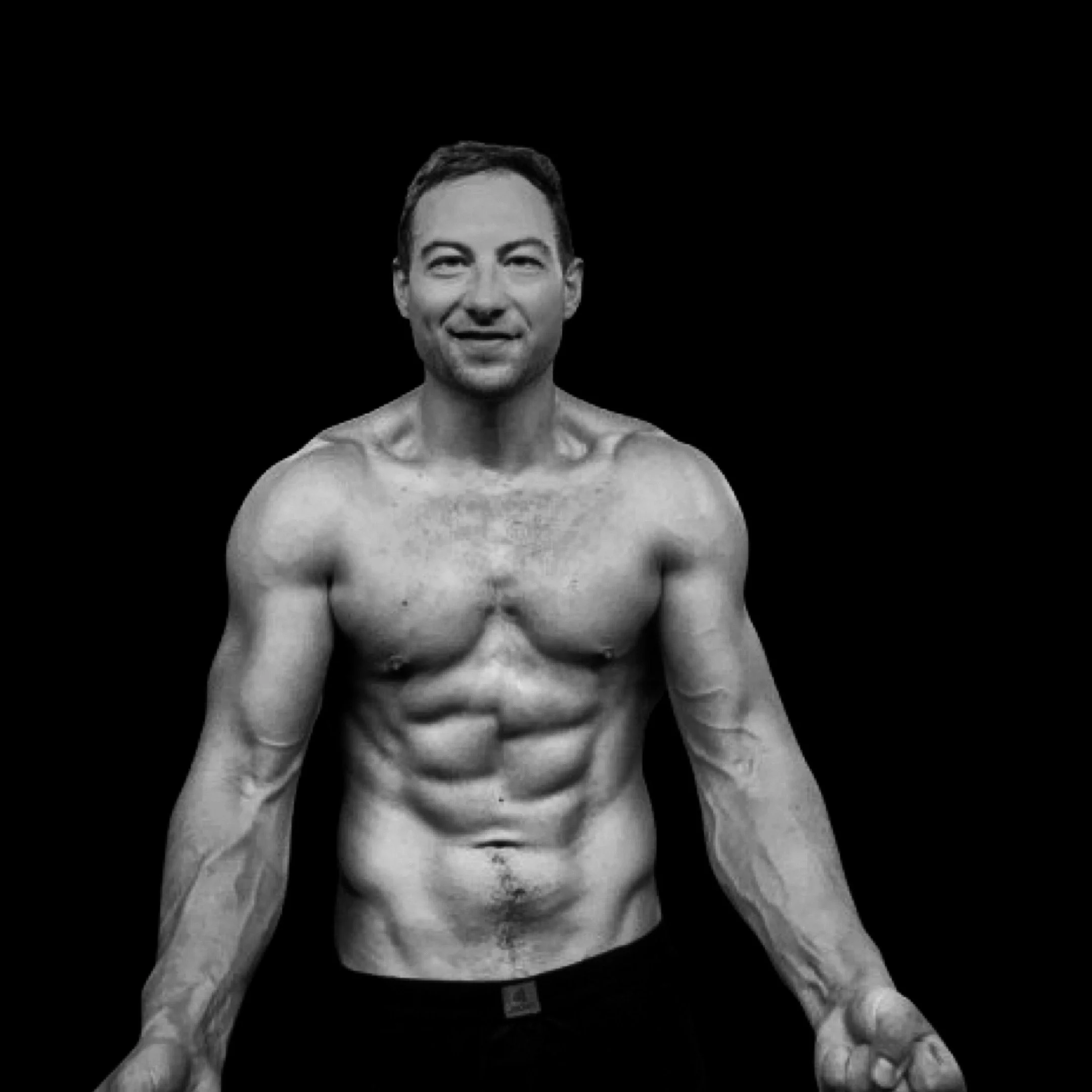
My advice: be reasonable. Eat more carbs in the form of fruit and honey but not so much that you turn yourself diabetic! Enjoy yourself but make sure you’re training with purpose. I mean LOTS of cardio. Don’t let my failure dissuade you—I was purposefully finding the limits.
DON’T DO THIS FOR TOO LONG
Common issues:
Insulin resistance without sun exposure (eating fruit in winter while sitting indoors = blood sugar chaos, fat gain, inflammation)
Metabolic inflexibility (if you never cycle back to fat-burning, your body loses the ability to use fat for fuel efficiently)
Chronic inflammation from year-round sugar (even natural sugar becomes inflammatory without the activity and sun exposure to metabolize it properly)
Under-eating protein (relying too heavily on fruit = muscle loss, poor recovery, weak immune system)
Ignoring seasonal signals (your body WANTS to shift in fall/winter—fighting that creates hormonal imbalance, especially for women)
Confusing "high carb" with "Standard American Diet" (fruit and honey ≠ bread, pasta, and candy—one is ancestral, the other is industrial poison)
Summer high-carb is a seasonal tool, not a year-round lifestyle. It works BECAUSE it's temporary and aligned with maximum sun, activity, and natural abundance.
Fall: The Balanced/Preparation Phase (Sep-Nov)
Fall is when your ancestors would have shifted into harvest and preparation mode. The abundance of summer is winding down, but there's still variety available—root vegetables, squash, nuts, fattier game preparing for winter. The sun is lower, days are shorter, and your body instinctively knows it's time to build reserves for the lean months ahead.
This is the metabolic flexibility phase—you're eating a mix of carbs and fats, testing your body's ability to switch between fuel sources, and gradually transitioning back toward fat-burning dominance.
Here's what I actually eat during my fall phases:
Root vegetables (sweet potatoes, carrots, beets, parsnips—starchy, grounding carbs)
Winter squash (butternut, acorn, kabocha—dense, slow-digesting carbs)
Fattier cuts of meat (transitioning back to ribeye, pork shoulder, lamb—more fat than summer)
Wild game (venison, elk, bison—if available, these animals are fattening up for winter)
Organ meats (liver, heart—reintroducing nutrient density before winter)
Late-season fruit (apples, pears, grapes—the last of the fruit before winter)
Bone broth and stews (slow-cooked meals with meat, fat, and vegetables—comfort food that signals the shift)
Some dairy (if tolerated—raw butter, cream, cheese—historical fall preservation food)
Fermented foods (kefir, sauerkraut, kimchi, pickles—gut support as you transition)
I have to say—I haven’t covered kefir yet but it is potentially miraculous. If you don’t know the lore behind it, let’s just say you should look into it WOW.
This is the season for “balanced meals” and the closest this style of eating gets to mixing high carb and high fat. I think this is rather fitting as it allows you to fatten up before winter and truly enjoy yourself. You can indulge to an extent, don’t go overboard!
Additionally, this is the holiday season! Enjoy your family meals! Don’t be the guy in the corner judging everyone and eating special food you brought...unless you ARE that guy then carry on.
A note on nuts and seeds (walnuts, pecans, pumpkin seeds—seasonal, fat-dense, easy to forage/store) Im not really a fan but they might be on your menu, totally fine.
What to Expect
You will find your hunger increasing but satiation is maxed out directly after meals. Potatoes, squash etc. with the fattier meats are just like heaven after a summer of activity.
Energy can seem off if you jump into high fat and lots of starches. Also, you can run into digestive upset if your fat consumption is introduced too fast too soon.
You’ll likely naturally crave some heavier weights—that why I prefer to have a combination of kettlebell work (good combination of cardio and muscle), running still but not nearly as much, some basic lifting—starting to get my strength up for truly heavy winter lifting.
Common issues during the balanced phase:
Mixing high fat + high carb and feeling sluggish? This is the Randle Cycle in action—fat and carbs compete for the same metabolic pathways. If you're eating a big sweet potato with butter and ribeye in the same meal, your body doesn't know which fuel to prioritize. Solution: separate your fuel sources by meal (carbs earlier in the day, fats later) OR keep one moderate while the other is high.
Not sure how much carbs vs. fat to eat? Let your activity level and sunlight exposure guide you. More sun + more movement = more carbs. Less sun + less movement = more fat. Your body will tell you—trust your appetite.
Feeling like you "lost" the energy from summer? That's normal. You're SUPPOSED to slow down in fall. Your nervous system is shifting from high-output sympathetic (summer) to more parasympathetic (rest, digest, prepare). Embrace it.
Craving comfort foods and heavier meals? That's your body telling you it's time to build reserves. Don't fight it. Eat the stew. Add the butter. This is preparation, not indulgence.
This phase should feel GROUNDING, NOURISHING, and STABLE. If you feel chaotic or unmoored, you're probably trying to hold onto summer too long.
Why It Works
Again, I personally love exercise and moving my body so my natural inckination is to start lifting heavier and back off of the cardio.
You could call this phase a hybrid training routine which consists of power-endurance lifts like kettlebell Clean & Press and Snatches. I also like to throw in some basic barbell lifts, a little bit of sled work and even some sandbag work to prepare myself for the intensity soon to come.
The science:
Decreasing sunlight = dropping vitamin D = reduced insulin sensitivity (your body is LESS efficient at handling carbs now—this is intentional, signaling the shift toward fat-burning)
Shorter days = melatonin production increases earlier (your circadian rhythm is shifting toward more rest, less output—carbs become less necessary)
Cooler temperatures = increased caloric needs (your body is starting to burn more energy to maintain core temperature—fat becomes a better fuel source)
Mixed macros = metabolic flexibility training (by eating both carbs and fats in fall, you're teaching your body to switch between fuel sources efficiently—this is KEY for long-term health)
Root vegetables and squash = slow-digesting carbs (unlike summer fruit, these carbs release glucose slowly—stable energy, no crashes, easier transition away from high sugar)
Fattier meats = satiety and hormone support (as you head into winter, your body needs more fat for hormone production, cellular repair, and thermal regulation)
Here's the key: fall is about balance and preparation. You're not trying to maximize performance (like summer) or maximize healing (like winter). You're building resilience and adaptability—the ability to thrive in ANY metabolic state.
Tribal Example
European harvest cultures (Celtic, Germanic, Slavic traditions) and Native American fall gatherings (Great Plains tribes, Eastern Woodlands tribes) relied on fall's bounty to prepare for winter:
Harvest feasts (celebrating abundance—meat, squash, nuts, late fruit, fermented foods)
Fattening game (deer, elk, bison were at their fattest in fall—prime hunting season)
Root vegetable storage (digging and storing tubers, squash, alliums for winter)
Nut foraging (acorns, chestnuts, walnuts—high-fat, shelf-stable, calorie-dense)
Preservation techniques (smoking meat, fermenting vegetables, rendering fat—preparing for scarcity)
Activity: hunting, foraging, building shelters, preparing firewood (moderate intensity, task-focused, shorter days)
Social gatherings around food (fall was a time of community feasting before winter isolation)
These cultures understood that fall was the bridge between abundance and scarcity—a time to eat well, store what you could, and mentally/physically prepare for the hardship ahead.
Modern Application
If I’m being honest, this is the season that I fall off the wagon a bit. I actually think this is okay. I want to balance my health pursuits with communal activities.
Just make sure you don’t go too long off the wagon! The key is to recognize when its been a few days of indulgence, not a few weeks.
How to apply this today:
Eat LOCAL, SEASONAL produce (whatever is growing in your region in fall—root vegetables, squash, apples, pears). Avoid tropical fruits and out-of-season imports.
Gradually increase fat intake (add butter back to your vegetables, eat fattier cuts of meat, include nuts and seeds). Don't jump straight to winter carnivore—ease into it.
Separate fuel sources if mixing feels off (carbs in the morning/post-workout, fats in the evening). OR keep carbs moderate (1-2 servings per day) and let fat be your primary fuel.
Reduce training volume, increase intensity (less cardio, more strength work—shorter, heavier sessions). Your body is shifting away from endurance and toward power/resilience.
Spend time outside during daylight hours (even though days are shorter, get whatever sun you can—helps with mood, circadian rhythm, and vitamin D production).
Embrace slower rhythms (fall is NOT the time to push for PRs or ramp up activity. Rest more. Sleep more. Let your nervous system down-regulate.)
Practice food preservation (ferment vegetables, make bone broth, render fat—connect with ancestral preparation rituals, even if you have a grocery store down the street).
Duration & Transition
I'd run this phase for the entire fall (roughly September through November, depending on your climate and when winter truly sets in).
Signs it's time to transition to winter:
Days are significantly shorter (sun is setting by 5-6 PM, you're getting minimal daylight)
Temperature has dropped consistently (you're wearing layers, heating your home, spending more time indoors)
Fresh produce is scarce (farmers markets are closing, local fruit/vegetables are done for the season)
You're craving ONLY fat and protein (the idea of eating a sweet potato or apple sounds unappealing—your body wants meat and fat)
Energy feels better with higher fat intake (carbs are making you sluggish, fat is making you feel grounded and clear)
You're naturally eating less frequently (appetite decreases, you're satisfied with 1-2 meals per day instead of 3-4)
Pitfalls of Year-Round "Balanced" Eating
We’ve all seen everyone trying to stay balanced year round. The only people I see succeeding at this to any degree are sort of “Type A” personalities who are disciplined enough to not overeat.
I’m not saying it can’t be done for the long-terms but the SAD (Standard American Diet)—at least what used to be the SAD—has relied on this basic idea of balanced meals and we don’t have much good to show for it. The distinction, obviously, being; balanced processed meals are no-go zones.
Common issues:
Never fully adapting to either fuel source (always mixing carbs and fats = your body never gets REALLY good at burning fat OR efficiently using carbs—you're stuck in metabolic mediocrity)
Ignoring seasonal signals (eating the same macros in January as you do in July = fighting against your biology—hormonal imbalance, poor sleep, low energy)
Using "balance" as an excuse for junk food (a little bit of everything ≠ pizza and ice cream—true balance is WHOLE FOODS in season, not processed garbage year-round)
Missing the deep healing of winter carnivore (if you never strip down to just animal foods, lingering gut issues, inflammation, and autoimmune triggers may never fully resolve)
Missing the performance benefits of summer carbs (if you never fully load glycogen and push high-intensity output, you're leaving gains on the table)
Confusing "balanced" with "optimal" (balanced is a TRANSITION state, not a destination—your body thrives on CONTRAST, not stagnation)
Fall balance is a preparation tool, not a permanent lifestyle. It works BECAUSE it's temporary—teaching your body to adapt, then moving into the next phase.
THE PATTERN IS CLEAR
You've seen the full cycle now.
Winter: Deep healing. Gut reset. Fat-burning mastery. Mental clarity. Strength focus. The foundation.
Spring: Renewal. Transition. Metabolic flexibility. Omega-3s. Lighter proteins. The bridge.
Summer: Vitality. Peak performance. High energy. Maximum sun. Carbs as fuel. The celebration.
Fall: Preparation. Balance. Gradual shift. Nutrient storage. Building resilience. The transition back.
This isn't a rigid plan. It's a framework.
Some people need longer phases. Some people thrive on meat & fruit year-round (and skip the full seasonal cycle). Some people need to adjust for climate, training demands, or health issues.
The key isn't perfection. It's VARIATION and SELF-AWARENESS.
Your body is designed to adapt. But chronic anything—chronic high-carb, chronic low-carb, chronic calorie restriction, chronic overeating—eventually becomes maladaptation.
Seasonal eating keeps you flexible. You never get stuck in one metabolic state long enough for it to backfire. You get the benefits of carnivore (gut healing, inflammation control) WITHOUT the long-term downsides (hormonal issues, metabolic rigidity). You get the benefits of high-carb eating (energy, performance, mood) WITHOUT insulin resistance or chronic inflammation.
You're not following a guru. You're not locked into an ideology. You're working WITH your biology, not against it.
Here’s the Reality Check
Reading this framework is one thing. Actually doing it in the real world? That's where most people get stuck.
"What if I live in a tropical climate where there's no winter?"
"What if I can't afford grass-fed meat and wild-caught fish?"
"What if my family thinks I'm insane for eating raw liver?"
"What if I'm a woman and my hormones go haywire on carnivore?"
"What if I travel constantly for work?"
"What if I train for endurance sports—how do I fuel that seasonally?"
These are real questions. And they deserve real answers.
In the next article, I'm going to show you how to make this work in YOUR life—no matter where you live, what your budget is, what your social situation looks like, or what obstacles you're facing.
You'll learn:
Climate adjustments (tropical, desert, arctic, urban—how to adapt the framework when you don't have four distinct seasons)
Social situations (holidays, dating, work dinners—how to navigate without being "that guy")
Training strategies (aligning exercise with seasons, fueling performance, avoiding burnout)
Troubleshooting (what to do when things don't go as planned—digestive issues, energy crashes, cravings, plateaus)
Supplements (what's worth taking, what's a waste of money, how to fill gaps seasonally)
Women & hormones (why women need to approach this differently, how to avoid hormonal crashes)
Budget hacks (how to eat seasonally without breaking the bank)
This is where the rubber meets the road.
Theory is useless without execution. And execution requires adaptability.
You’re Not Doing This Alone
I've spent 12+ years testing this framework—making mistakes, adjusting, refining. I've done winter carnivore in sub-zero temperatures and in urban environments with no access to wild game. I've navigated social situations where I was the only person eating raw liver at the table. I've trained for strength, endurance, and everything in between while cycling through seasons.
I've seen what works. I've seen what fails. And I'm going to give you the playbook.
